Agriculture is the heartbeat of the world, where every seed sown is a step towards a future of abundance, sustainability, and hope.
Expert views & student blogs
Expert insights
Regent Associate Professor
Dr. Madhav Prasad Neupane
PhD in Agronomy and Crop Science, Banaras Hindu University, India
Baby corn expert, Department of Agronomy, Agriculture and Forestry University, Nepal
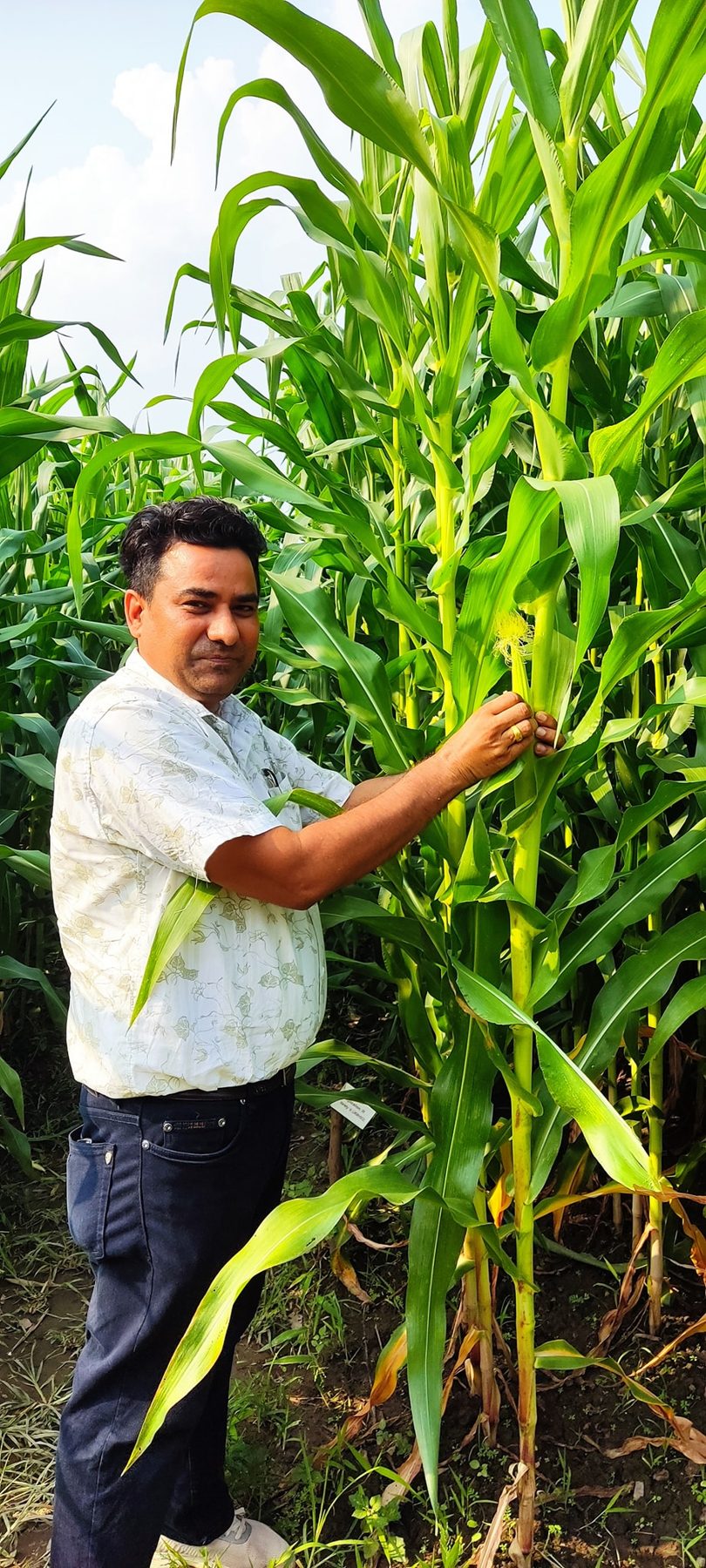
Baby corn holds great scope in Nepal due to its short growth cycle, high market demand, and versatility in culinary use. It offers prospects for crop diversification, increased farmer income, and potential export. Successful trials like in Padampur, Chitwan shows it has higher likelihood thrive commercially with expert guidance. However, limitations include lack of technical knowledge, weak market linkages, inadequate post-harvest facilities, and limited awareness among farmers. With proper training, policy support, and infrastructure development, baby corn can emerge as a climate-smart, income-generating crop, helping transform subsistence agriculture into a more profitable and sustainable enterprise across suitable regions of Nepal.
Mr. Chitra Bahadur Kunwar
Master in Plant Breeding and Genetics, Kasetsart University, Thailand
Corn expert, Ex Coordinator, National Maize Research Program, NARC, Nepal
OPVs maize varietal research
High value corn research: sweet corn, popcorn
Hybrid maize research
Commercial hybrid testing
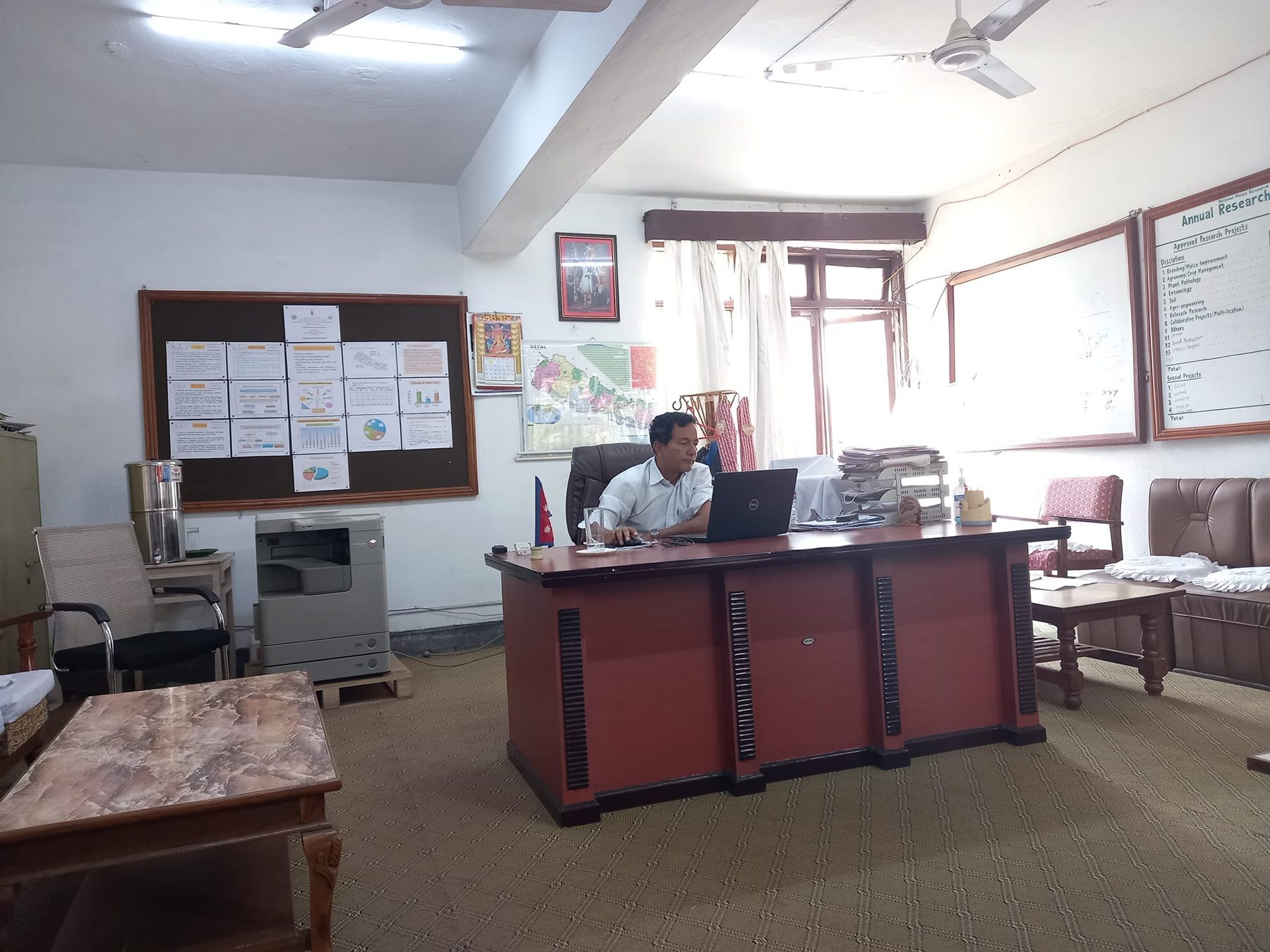
Based on my research experience in the landscape of maize breeding in Nepal, I observe a field brimming with potential yet constrained by systemic challenges. The scope for enhancing productivity, nutritional value, and resilience through targeted breeding for diverse agro-ecological zones and emerging demands like animal feed is immense. However, realizing this potential is hampered by a low seed replacement rate, the complexities of hybrid seed production and accessibility, limited research infrastructure and funding, and the pervasive impact of diverse biotic and abiotic stresses. Overcoming these limitations through strategic investments, robust extension systems, and a focus on developing and disseminating location-specific, climate-resilient varieties, while also leveraging Nepal's rich local germplasm, is crucial to unlocking the transformative power of maize breeding for the nation's food security and economic growth.
My students' stories
1 / 4
Class 11 students performing the Commercial Food Crops Production and Post Harvest Technology TSS and TA calculation practical
Class 11 students taking the Commercial Food Crops Production and Post Harvest Technology MCQ-based test exam
Exploring Bordeaux mix preparation in the plant science lab
Team bonding on the campus lawn
Learning in the multimedia studio
Innovating with hydroponics in agriculture
Presenting a handcrafted plastic house project
Class 10 students on job training (OJT), learning the germination test of rice seeds
1 / 4
Class 10 students on job training (OJT): germination test of rice seeds and field visit to an innovation center / early adopters
1 / 4
Class 9 students learning healthy rice seed separation and the germination test from senior students, and the Mud Girls
1 / 4
Class 9 students learning hydro-priming techniques in the Plant Science lab, the field guy (dog) and use of the moisture meter
1 / 5
Class 9–10 students enjoying rice transplantation and mud playing on Ashar 15 (Dahi Chiura Khane Din)